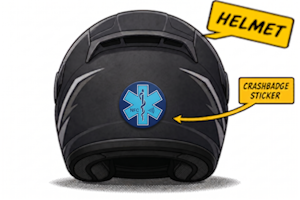
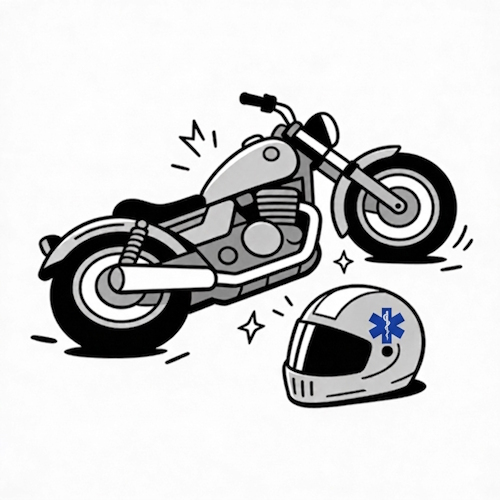
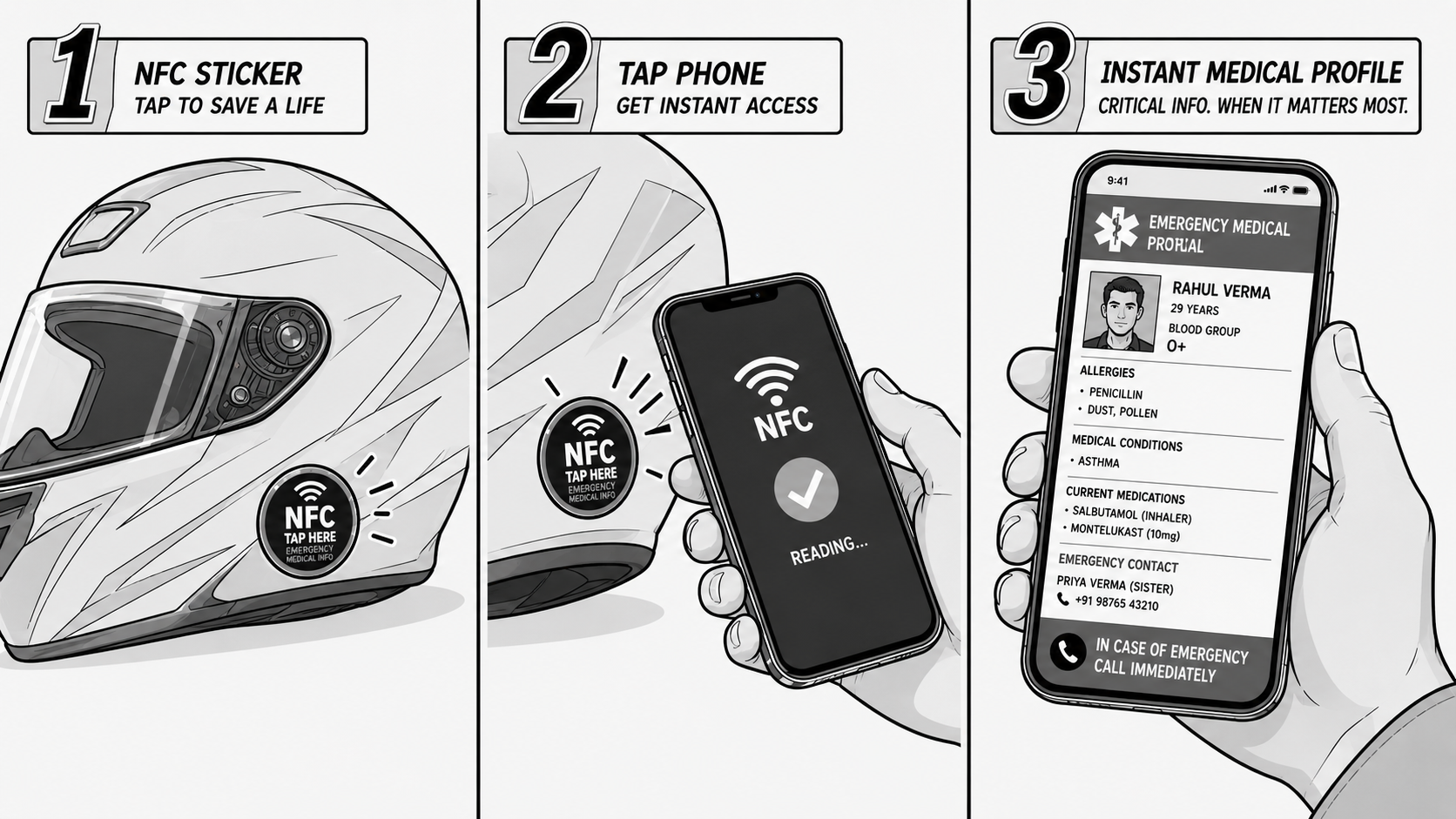
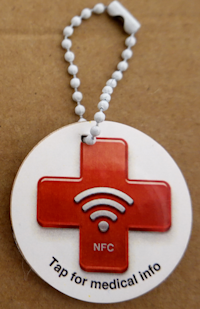
A crash badge is a small sticker, key ring pendant or card containing your medical emergency information. It can be read by any smartphone.
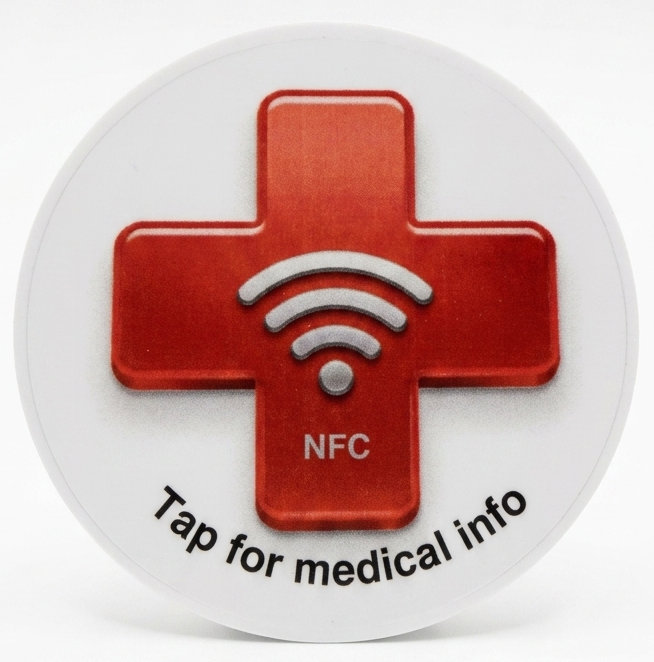
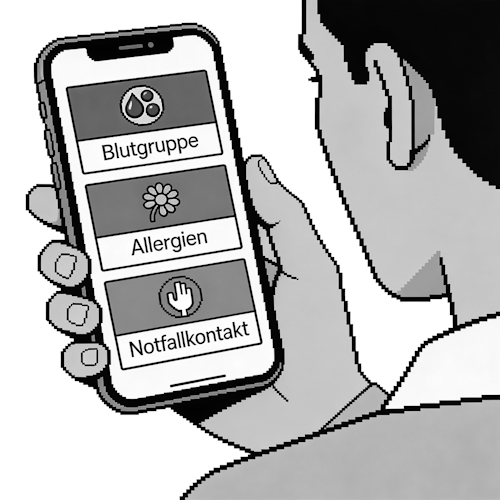
Unlike a QR code, no app is needed; a paramedic or anyone delivering first aid simply taps his phone against the crash badge to instantly open your life-saving medical profile.
How Does It Work?
Crash badges are "passive" (NFC) devices. This means they do not have a battery and do not need to be charged. They contain a tiny microchip and an antenna. When a smartphone gets close, it sends out a small radio frequency field that powers the crash badge just long enough to read the information stored on it.
How to Use the Crash Badge in an Emergency?
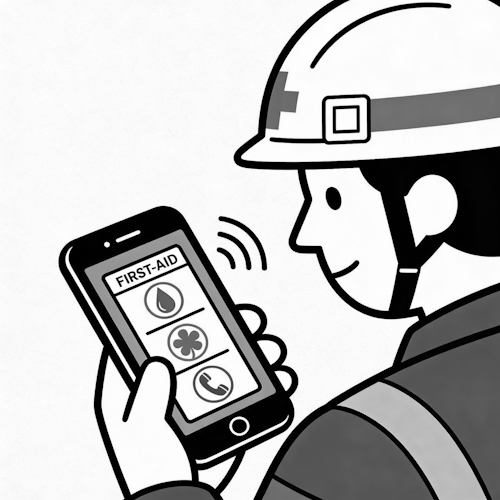
Accessing vital information in an emergency is a simple process for the paramedic or anyone who wants to help:
- Unlock the Phone: Most modern smartphones (iPhone and Android) require the screen to be "awake" or unlocked to read an NFC tag for security reasons.
- Locate the Sweet Spot:
iPhones: The NFC reader is located at the very top edge of the phone. / Androids: The reader is usually located in the center of the back of the device.
- Tap and Hold: Gently tap the top or back of the phone against your crash badge. A notification will instantly pop up on the screen—tap it to open the medical profile.
There is no special app needed to read these crash badges. As long as NFC is enabled in the phone's settings (which it is by default on almost all devices made after 2018), it works automatically!
Why Use Crash Badges for medical information?
- Speed: In an emergency, every second counts. Tapping is faster than typing a URL or scanning a code.
- Durability: Crash badges can be embedded in stickers and cards.
- Ease of Use: It requires zero technical knowledge from the person providing aid.
Which types of Crash Badges do exist?
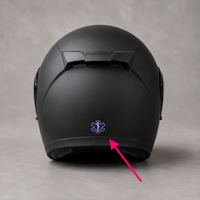
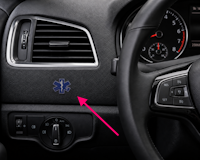
- Sticker: Stickers can be placed anywhere and are self-adhesive. They come in different diameters (e.g. 2.5 cm, which is about the size of a 2 Euro coin, or in 4 cm). The larger stickers come in two parts; the actual (small) NFC tag and the larger sticker, which are then joined together.
Just stick them where needed. Available in various sets and colours. The smaller stickers should be used only on flat surfaces; the larger ones can be slightly bent.
Note that there is a separate type of stickers for metal surfaces (e.g. if placed on a bike's handlebar), as this requires special NFC tags. If you intend to place a sticker on metal, please choose those (these also work on all other surfaces).
- Card: Cards are similar (in size and thickness) to a credit card and should be used in a wallet. They are not adhesive and contain information on both sides.
- Key ring pendant: Key ring pendants should be used on your key chain. They come in various sizes and forms, e.g. in transparent plastic or in wood.
Note that we have two motives:
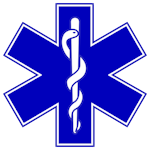
The blue Star of Life is a symbol used to identify emergency medical services. The middle contains a Rod of Asclepius, a symbol of medicine. The Star of Life is used worldwide and we recommend to use crash badges with this symbol.

The Red Cross symbol is used as an identifier for medical personnel during wartime, and is also generally used to indicate medical services. There are other related symbols such as Red Crescent and Red Crystal.
The access to your emergency profile is stored on the crash badge. If you lose the crash badge, you can easily block the data online (also temporarily) and change it at any time.